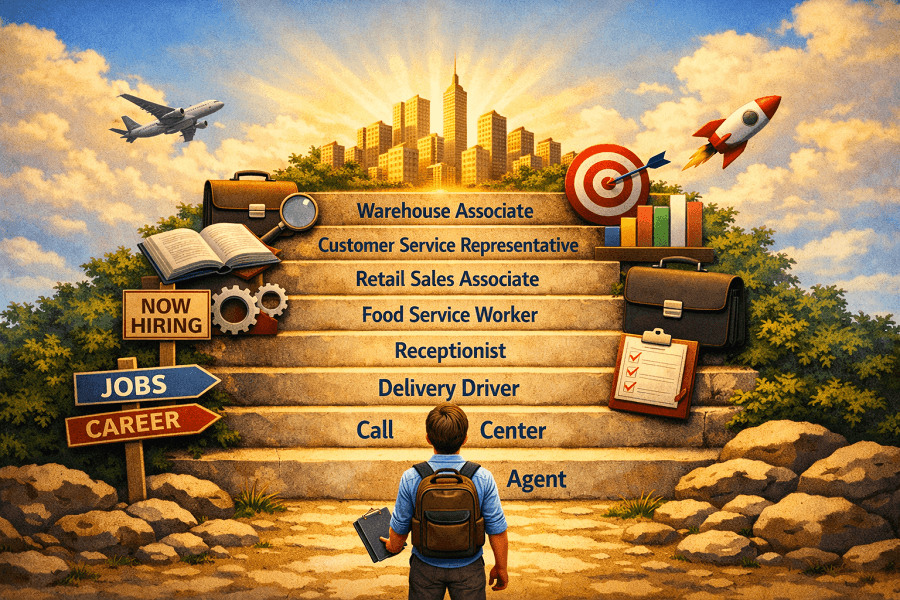


Career Opportunities You Can Start After High School
Graduating from high school is a major milestone and the beginning of an exciting new chapter. For many students, the next step is not always college. Some want to start earning an income immediately, while others prefer gaining practical experience before deciding on further education.
Today’s job market offers more opportunities than many people realize.
A high school diploma can open the door to careers in transportation, public services, logistics, skilled trades, retail management, manufacturing, customer service, and many other industries. Many employers are increasingly adopting skills-based hiring, focusing on a candidate’s abilities, work ethic, and willingness to learn rather than requiring a four-year college degree for every position.
Choosing to work after high school does not mean giving up future opportunities. In fact, many professionals begin their careers immediately after graduation, build valuable experience, and continue developing their skills through apprenticeships, certifications, employer training, or part-time education.
This guide explores the best career options available after high school, what employers expect from entry-level candidates, and how graduates can build long-term success without following a traditional college pathway.
Can You Build a Successful Career With Only a High School Diploma?
Yes.
A high school diploma remains a valuable educational qualification for many occupations across the United States.
While some professions require university degrees or specialized licensing, many employers hire candidates based on practical skills, reliability, communication, and the ability to learn.
A successful career depends on much more than educational background alone.
Long-term growth often comes from:
- Building workplace experience.
- Developing technical skills.
- Maintaining professionalism.
- Continuing to learn.
- Taking on greater responsibilities.
- Adapting to changing industries.
Many professionals who begin working immediately after high school later advance into supervisory, management, or specialized technical roles through experience and continuous development.
Jobs for High School Graduates
The employment opportunities available to high school graduates are broader than many people expect.
Many industries regularly hire entry-level employees and provide structured training after employment begins.
Examples include careers in:
- Transportation.
- Warehousing and logistics.
- Public services.
- Skilled trades.
- Customer support.
- Manufacturing.
- Hospitality.
- Sales.
- Administrative support.
- Personal services.
Some employers also offer internal training programs that allow employees to develop specialized skills while working.
This combination of employment and workplace learning enables graduates to build experience from the beginning of their careers.
Careers After High School Without College
Many students assume that college is the only route to professional success.
In reality, there are multiple educational and career pathways available.
Some graduates choose to:
- Enter full-time employment.
- Join apprenticeship programs.
- Complete vocational training.
- Earn professional certifications.
- Attend technical schools.
- Build freelance careers.
- Start small businesses.
- Continue learning through online education.
Each pathway offers different advantages depending on personal interests, financial goals, and long-term career objectives.
The best choice is the one that aligns with your strengths and aspirations.
High School Diploma Jobs
Many employers advertise positions specifically requiring a high school diploma rather than a college degree.
These roles often provide opportunities to gain valuable workplace experience while learning industry-specific skills.
High school diploma jobs may involve responsibilities such as:
- Assisting customers.
- Operating equipment.
- Supporting business operations.
- Handling inventory.
- Performing technical tasks.
- Coordinating administrative activities.
- Maintaining workplace safety.
As employees gain experience, they often become eligible for promotions, specialized training, and leadership opportunities.
Good Jobs for 18-Year-Olds
Turning eighteen opens access to a wider range of employment opportunities.
Many employers actively recruit young adults who demonstrate reliability, strong communication skills, and a willingness to learn.
Good entry-level jobs often provide the following:
- Paid training.
- Stable schedules.
- Career development opportunities.
- Skill-building experiences.
- Professional mentorship.
- Opportunities for advancement.
The first job may not represent your final career destination, but it provides valuable experience that supports future professional growth.
Career Options After 12th Grade in the USA
After completing high school, students in the United States have several possible career pathways.
Some choose immediate employment to begin earning income and developing workplace skills.
Others pursue vocational education that prepares them for technical careers.
Many decide to enter apprenticeship programs where they earn wages while learning practical skills.
Some complete industry-recognized certifications to qualify for specialized positions.
Others combine part-time work with online education or community college courses.
There is no single pathway that fits everyone.
Success depends on selecting a direction that matches your interests, abilities, and long-term goals.
Understanding High School Graduate Salary Expectations
Salary expectations vary widely depending on several factors.
These include:
- Industry.
- Geographic location.
- Employer.
- Experience.
- Specialized skills.
- Training completed.
- Career progression.
Entry-level salaries often increase as employees gain practical experience, complete additional training, and accept greater responsibilities.
Rather than focusing only on starting income, consider the long-term earning potential of a career, and for a comprehensive overview of high-paying jobs that don’t require a college degree across multiple industries, explore our detailed guide on the subject.
Some professions begin with moderate salaries but offer excellent opportunities for advancement over time.
What Employers Look For in High School Graduates
Many employers understand that recent graduates have limited workplace experience.
Instead of expecting years of professional history, they often evaluate qualities that indicate future success.
These qualities include:
- Positive attitude.
- Reliability.
- Strong work ethic.
- Communication skills.
- Teamwork.
- Willingness to learn.
- Adaptability.
- Professional behavior.
Candidates who demonstrate these characteristics frequently stand out during the hiring process.
Technical skills can often be developed after employment begins.
Professional habits are equally important.
Building Skills Before Your First Job
Even before securing employment, high school graduates can begin strengthening their qualifications.
Useful activities include:
- Volunteering.
- Participating in community organizations.
- Completing online courses.
- Learning computer skills.
- Improving communication abilities.
- Developing time management.
- Practicing problem-solving.
These experiences demonstrate initiative and help prepare graduates for workplace responsibilities.
Why Experience Matters More Than You Think
Many young job seekers worry because they have little or no work experience.
However, every professional begins somewhere.
The first job provides opportunities to:
- Learn workplace expectations.
- Develop professional confidence.
- Build communication skills.
- Understand teamwork.
- Improve technical abilities.
- Establish a work history.
As experience grows, future career opportunities often become easier to access.
Common Myths About Working After High School
Several misconceptions discourage graduates from exploring careers immediately after high school.
Myth 1: You Cannot Build a Good Career Without College
Many successful professionals begin with entry-level jobs, apprenticeships, vocational education, or employer training before advancing into rewarding careers.
Myth 2: Entry-Level Jobs Have No Future
Many careers begin with entry-level positions that provide experience, mentorship, and opportunities for promotion.
Career growth often depends on continuous learning and strong workplace performance.
Myth 3: High School Graduates Cannot Earn Competitive Salaries
Although starting salaries vary, many industries offer increasing earning potential as employees develop experience, certifications, and specialized skills.
Choosing a Career That Fits Your Goals
The right career is not always the one with the highest starting salary.
Consider factors such as:
- Personal interests.
- Daily responsibilities.
- Work environment.
- Career stability.
- Growth opportunities.
- Training requirements.
- Long-term earning potential.
Selecting a career that matches your strengths often leads to greater satisfaction and long-term success.
Best Career Paths You Can Start After High School
A high school diploma provides access to a wide range of career opportunities across both the public and private sectors. Some careers offer structured training after hiring, while others require short-term education, licensing, or apprenticeships before entering the workforce.
The best career is not necessarily the one with the highest starting salary. Instead, it is the one that aligns with your interests, strengths, long-term goals, and willingness to continue learning.
Let’s explore some of the most promising career options available to high school graduates in the United States.
USPS Clerk Opportunities
Working as a USPS clerk is a popular option for individuals looking for stable employment after high school.
USPS clerks assist customers with mailing services, package handling, postage sales, and general postal operations. The role also involves organizing mail, processing shipments, and maintaining accurate records.
Many people are attracted to this career because it offers the following:
- Stable employment.
- Structured workplace training.
- Opportunities for career advancement.
- Comprehensive workplace procedures.
- Experience in customer service and operations.
Although hiring requirements and openings vary by location, a high school diploma is commonly one of the educational qualifications for many entry-level postal service positions.
Military Enlistment Careers
The U.S. military provides another well-known career pathway for high school graduates.
Military service offers professional training while allowing individuals to develop technical, leadership, and teamwork skills in a structured environment.
Depending on the branch and occupational specialty, military careers can include work in the following:
- Information technology.
- Engineering support.
- Healthcare.
- Aviation.
- Logistics.
- Intelligence.
- Administration.
- Communications.
Many individuals also use military experience as a foundation for future civilian careers after completing their service.
Firefighter Careers
Becoming a firefighter is an excellent option for individuals who enjoy serving their communities and working in physically active environments.
Firefighters respond to emergencies, protect lives and property, conduct rescue operations, and participate in fire prevention activities.
While specific firefighter requirements differ by department and state, candidates often need to meet physical fitness standards, complete required training, and successfully pass examinations before beginning employment.
Successful firefighters develop strong abilities in:
- Teamwork.
- Decision-making.
- Physical endurance.
- Communication.
- Emergency response.
- Problem-solving.
The profession also provides opportunities for specialization and leadership as experience increases.
Police Academy Career Path
Law enforcement offers another respected career option for high school graduates.
Many police departments require applicants to complete training through a police academy before beginning active service.
Police academy programs prepare recruits by teaching:
- Criminal law fundamentals.
- Community policing.
- Defensive tactics.
- Emergency response.
- Firearm safety.
- Professional ethics.
- Report writing.
- Conflict resolution.
Eligibility requirements vary depending on the agency and jurisdiction, so applicants should always review local hiring standards.
Union Trade Careers
Many graduates choose to enter union trade programs directly after high school.
Union organizations often work closely with employers to provide apprenticeships that combine classroom instruction with paid workplace experience.
Trade careers may include professions such as the following:
- Electrician.
- Plumber.
- Carpenter.
- Welder.
- Pipefitter.
- HVAC technician.
- Iron worker.
Union-supported apprenticeships allow participants to earn income while developing valuable technical skills under experienced professionals.
This “earn while you learn” approach has made skilled trades increasingly attractive for young workers.
Amazon Warehouse Jobs
Large distribution and fulfillment centers continue creating employment opportunities for high school graduates.
Amazon warehouse jobs often involve responsibilities such as:
- Receiving inventory.
- Organizing products.
- Packing customer orders.
- Operating warehouse equipment.
- Maintaining inventory accuracy.
- Following workplace safety procedures.
Many employees appreciate the structured work environment, paid training, and opportunities to develop logistics and operations experience.
For some individuals, warehouse work also serves as a starting point for supervisory or management positions.
Cosmetology School After High School
Students interested in beauty, wellness, and personal care may consider attending cosmetology school after high school.
Cosmetology programs prepare students for careers involving:
- Hair styling.
- Hair coloring.
- Skincare services.
- Nail care.
- Makeup application.
- Client consultation.
After completing the required education and licensing process, graduates may work in salons, spas, or wellness centers or even operate their own businesses.
This career offers flexibility for individuals who enjoy creativity and customer interaction.
Comparing Career Pathways
Each career offers different advantages depending on your goals.
Some careers provide immediate employment with employer training.
Others require apprenticeships or licensing before entering the workforce.
Certain occupations emphasize physical work, while others focus on customer service, technical skills, or public service.
When comparing options, consider factors such as the following:
- Required training.
- Career stability.
- Daily responsibilities.
- Work environment.
- Opportunities for advancement.
- Long-term earning potential.
- Personal interests.
Choosing a career based on long-term satisfaction often produces better outcomes than focusing only on starting salary.
Career Growth After Your First Job
Your first job rarely determines your entire career.
Instead, it becomes the foundation for future opportunities.
As you gain experience, you may:
- Earn professional certifications.
- Learn specialized skills.
- Receive promotions.
- Move into supervisory positions.
- Transition into management.
- Pursue additional education while working.
- Start your own business.
Professional growth usually happens gradually through consistent learning and workplace experience.
Building Transferable Skills
No matter which career you choose, you’ll develop transferable skills that remain valuable throughout your professional life.
These include:
- Communication.
- Teamwork.
- Leadership.
- Customer service.
- Time management.
- Organization.
- Critical thinking.
- Problem-solving.
These workplace skills make it easier to transition into new roles as your career evolves.
Finding the Right Fit
Not every career is suitable for every individual.
Before making a decision, ask yourself:
- Do I enjoy working with people?
- Do I prefer hands-on work or office environments?
- Am I comfortable with physical activity?
- Do I enjoy solving technical problems?
- Do I want opportunities for advancement?
- What type of work environment motivates me?
Answering these questions can help narrow your career choices and increase long-term job satisfaction.
How to Build a Successful Career After High School
Starting your career after high school is an exciting opportunity, but long-term success depends on more than finding your first job. The decisions you make during the first few years of your working life can shape your future career, earning potential, and professional growth.
Whether you begin working immediately, join an apprenticeship, attend a vocational school, or complete industry certifications, developing the right habits early can help you build a rewarding career.
This section explains how high school graduates can continue growing professionally while creating opportunities for long-term success.
Create a Career Plan
Many graduates accept the first job they find without thinking about where they want to be five or ten years later.
While your first job is valuable, having a career plan gives you direction and helps you make better decisions.
Start by asking yourself:
- Which industries interest me the most?
- What type of work environment do I enjoy?
- Do I prefer practical work, customer service, technical work, or public service?
- Which skills do I want to develop?
- What kind of lifestyle do I want in the future?
Your answers can help you identify career paths that match both your interests and long-term goals.
Develop Workplace Skills From Day One
Technical skills can be learned through training, but workplace skills often determine how quickly you grow within an organization.
Employers consistently value professionals who demonstrate:
- Reliability.
- Professionalism.
- Positive attitude.
- Strong communication.
- Teamwork.
- Time management.
- Adaptability.
- Problem-solving.
Building these skills early makes it easier to earn additional responsibilities and promotions.
Continue Learning While You Work
Getting a job after high school does not mean your education has ended.
Many successful professionals continue learning throughout their careers by completing the following:
- Professional certifications.
- Employer-sponsored training.
- Online courses.
- Apprenticeship programs.
- Vocational education.
- Industry workshops.
Continuous learning helps you remain competitive as industries evolve and new technologies emerge.
Build Experience That Supports Career Growth
Experience is one of the most valuable assets you can develop.
Every responsibility you take on contributes to your professional growth.
Even entry-level positions help you learn:
- Workplace communication.
- Customer interaction.
- Team collaboration.
- Organizational skills.
- Time management.
- Industry knowledge.
As your experience grows, new career opportunities become easier to pursue.
Build a Strong Professional Reputation
Your reputation follows you throughout your career.
Managers often recommend employees who consistently demonstrate professionalism and dependability.
Simple habits can make a significant difference:
- Arrive on time.
- Complete assigned tasks carefully.
- Be willing to learn.
- Respect colleagues.
- Accept constructive feedback.
- Communicate professionally.
- Take responsibility for mistakes.
These qualities build trust and increase opportunities for advancement.
Networking Can Create Future Opportunities
Many people associate networking with experienced professionals, but it is equally valuable for recent high school graduates.
Building professional relationships can help you:
- Learn about career opportunities.
- Find mentors.
- Discover training programs.
- Receive career advice.
- Hear about job openings before they are publicly advertised.
Networking does not have to be complicated.
Talking with supervisors, coworkers, instructors, and industry professionals can help you expand your professional connections over time.
Know When to Upgrade Your Skills
Your first job should not be your final learning experience.
As you gain experience, look for opportunities to strengthen your qualifications.
You may choose to earn certifications, complete specialized training, or learn new technical skills that increase your value in the workplace.
Employers often reward employees who actively invest in their professional development.
Common Mistakes to Avoid
Many young professionals delay their career growth because they make avoidable mistakes during the early stages of employment.
Expecting Immediate Success
Building a successful career takes time.
Every position teaches valuable lessons that contribute to future opportunities.
Ignoring Learning Opportunities
Employees who stop learning often limit their career advancement.
Continuous improvement helps you stay competitive throughout your career.
Changing Jobs Too Frequently Without Purpose
Exploring different opportunities can be beneficial, but changing jobs repeatedly without gaining meaningful skills may slow long-term career development.
Focusing Only on Salary
Income is important, but so are experience, training, mentorship, and opportunities for advancement.
Sometimes a position with stronger growth potential creates greater long-term value than a higher starting salary.
A Career Roadmap After High School
Building a successful career becomes much easier when you follow a structured plan.
Step 1
Identify careers that match your interests, strengths, and long-term goals.
Step 2
Choose an entry pathway, whether through employment, apprenticeships, vocational training, certifications, or employer-sponsored programs.
Step 3
Develop strong workplace habits and professional skills.
Step 4
Continue learning through certifications and additional training.
Step 5
Gain practical experience by taking on new responsibilities.
Step 6
Build professional relationships and expand your network.
Step 7
Review your goals regularly and continue improving your skills as your career progresses.
This roadmap creates steady, sustainable growth instead of relying on short-term success.
Why High School Graduates Have More Career Options Than Ever
Today’s job market offers far more flexibility than it did in previous generations.
Many employers now recognize practical skills, certifications, apprenticeships, and workplace experience alongside traditional education.
Technology has also made learning more accessible through online education and employer-sponsored training.
As skills-based hiring continues to expand, motivated high school graduates have multiple pathways to build successful careers without immediately pursuing a four-year college degree.
The key is choosing a direction, remaining committed to learning, and gaining practical experience over time.
Final Thoughts
Graduating from high school is not the end of your education. It is the beginning of your professional journey.
Whether you choose a career with the USPS, pursue military enlistment, work toward becoming a firefighter, complete police academy training, enter a union trade, start in an Amazon warehouse, or attend cosmetology school, every pathway offers opportunities to develop valuable skills and build a rewarding future.
Success does not depend solely on where you begin.
It depends on your willingness to learn, improve, and take advantage of the opportunities available to you.
A high school diploma can be the first step toward a stable, meaningful, and financially rewarding career when combined with dedication, continuous learning, and practical experience.
Frequently Asked Questions
Can I get a good job with only a high school diploma?
Yes. Many employers hire candidates with a high school diploma for careers in logistics, public service, skilled trades, warehousing, customer service, manufacturing, and other industries. Career growth often depends on experience, training, and professional development.
What are some of the best careers after high school without college?
Popular options include postal service careers, military service, firefighting, law enforcement, skilled trades, warehouse operations, cosmetology, and apprenticeship programs. The best choice depends on your interests and long-term career goals.
Should I work or continue studying after high school?
There is no single answer for everyone. Some graduates benefit from starting work immediately, while others choose apprenticeships, vocational schools, certifications, or part-time education alongside employment.
How can I increase my salary after high school?
Developing specialized skills, gaining experience, earning professional certifications, and taking on additional responsibilities can improve your earning potential over time.
Is it possible to build a long-term career without college?
Yes. Many professionals build successful careers through practical experience, apprenticeships, certifications, employer-sponsored training, and continuous learning rather than earning a traditional four-year degree.